Creating a cozy and inviting home atmosphere is something many people strive for. A warm and welcoming space not only makes you feel comfortable but also leaves a great impression on your guests. Fortunately, you don’t have to spend a fortune or hire a professional to achieve this. With a few simple tips and thoughtful touches, you can transform your home into a relaxing haven. In this post, we’ll explore practical ideas to help you create that cozy feeling.
1. Choose Warm and Soft Lighting
Lighting plays a crucial role in setting the mood of a room. Bright, harsh lights can feel cold and uninviting, while softer lighting creates a comforting ambiance.
– Use lamps with warm-tone bulbs instead of bright white LEDs.
– Add string lights or fairy lights in living areas or bedrooms for a gentle glow.
– Incorporate candles or flameless LED candles for a flickering warmth.
– Use dimmer switches where possible to adjust the brightness according to your mood.
By layering your lighting smartly, you build spaces that feel snug and calm.
2. Add Textures with Soft Furnishings
Textiles bring softness and warmth to any room. Incorporating a variety of textures will add depth to your interior and invite relaxation.
– Use plush throw blankets on sofas or armchairs.
– Add cushions in different fabrics like velvet, knit, or faux fur.
– Lay down area rugs to provide comfort underfoot, especially in hard-floor rooms.
– Consider heavy curtains or drapes which can make rooms feel warmer visually and physically.
Mixing textures helps break monotony and gives your home a lived-in, cozy vibe.
3. Embrace Natural Elements
Bringing nature indoors instantly softens the atmosphere and creates a peaceful environment.
– Place potted plants or fresh flowers around your living spaces.
– Use natural materials such as wooden furniture, bamboo accessories, or stone decorations.
– Decorate with woven baskets and other handcrafted items for an organic touch.
Even a small plant on the windowsill or a wooden bowl on the table can add a bit of nature’s calm to your home.
4. Create Comfortable Seating Areas
Where you sit often defines how comfortable your home feels. Arrange your furniture to encourage relaxation and conversation.
– Position seating so people face each other, promoting interaction.
– Keep plenty of cushions and throws within easy reach.
– Use chairs and sofas with soft yet supportive cushions.
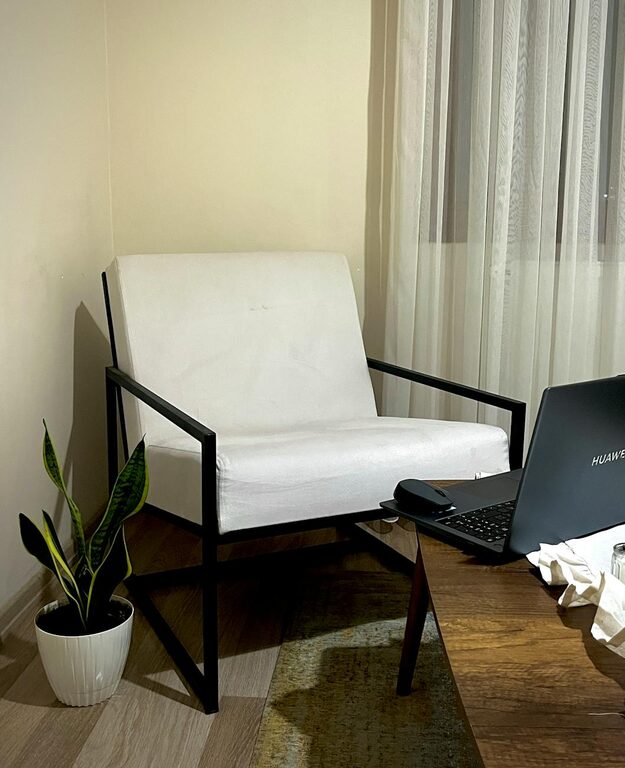
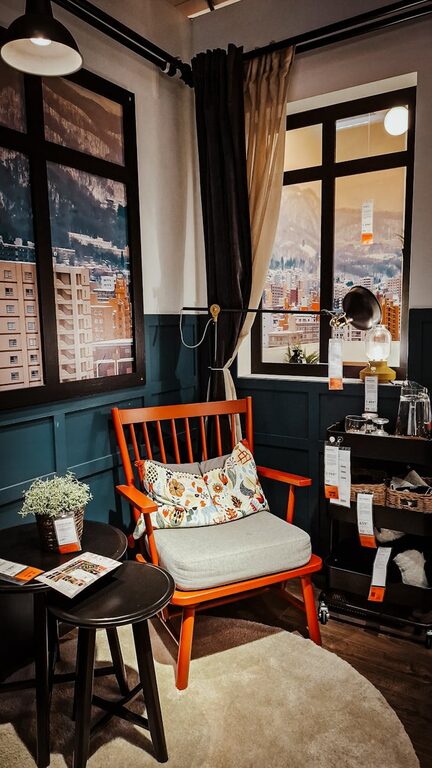
– Consider adding a cozy reading nook with a comfy chair and good lighting.
Well-thought-out seating makes your home inviting for both you and your visitors.
5. Personalise Your Decor
Your home should reflect your personality and memories, which creates a genuine and welcoming environment.
– Display photographs of loved ones and special moments.
– Showcase souvenirs from your travels or hobbies.
– Include artwork or crafts that you love and inspire you.
– Use books, magazines, or items that show your interests.
These personal touches turn a generic space into a heartfelt home.
6. Keep Clutter Under Control
A cluttered space can feel stressful and cold, rather than cozy.
– Use storage solutions like boxes, shelves, and baskets to organise belongings.
– Regularly declutter areas that tend to gather unnecessary items.
– Maintain clear surfaces on tables and shelves to create a sense of openness.
A tidy environment enhances the feeling of calm and comfort.
7. Use Inviting Scents
Scent influences mood and comfort and can make your home feel more inviting.
– Light scented candles or use essential oil diffusers with calming fragrances such as lavender, vanilla, or cinnamon.
– Simmer spices like cloves and orange peel on the stove for a natural, warming aroma.
– Fresh flowers or potpourri can also add subtle pleasant scents.
Choose scents that you find soothing and not overpowering.
8. Incorporate Soft Colour Palettes
The colours in your home affect how warm or cool the space feels.
– Opt for warm neutrals like beige, soft browns, warm greys, or muted yellows.
– Use these colours on walls, furniture, or accessories to create harmony.
– Avoid overly bright or cold tones that can feel harsh.
Soft, warm colours promote relaxation and a sense of coziness.
9. Add Elements of Warmth
Small items can make a big difference in adding warmth.
– Use a fireplace if possible, even an electric or faux one.
– Include wool or knitted throws during colder months.
– Choose furniture with soft upholstery rather than hard surfaces.
– Keep slippers and warm socks handy during winter.
These small actions help maintain a welcoming atmosphere year-round.
10. Pay Attention to Sound
Sounds contribute to the environment’s comfort level.
– Play soft background music or ambient noise like nature sounds for a soothing atmosphere.
– Place rugs and curtains to help absorb noise and reduce echo.
– Use soft-close doors or pads under furniture legs to minimise harsh sounds.
A peaceful soundscape encourages relaxation and invites people to linger.
—
Creating a cozy and inviting home atmosphere is about thoughtful choices that enhance comfort and warmth. Whether you start with lighting or adding some soft cushions, each step contributes to a space where you want to spend time and share with others. Remember, it’s your personal touches and the sense of calm that truly make a home welcoming.
Try these simple tips and enjoy the transformation!
About the Author